


How We Added $1.4M to a 15-Person Sales Team in 12 Months Without Hiring
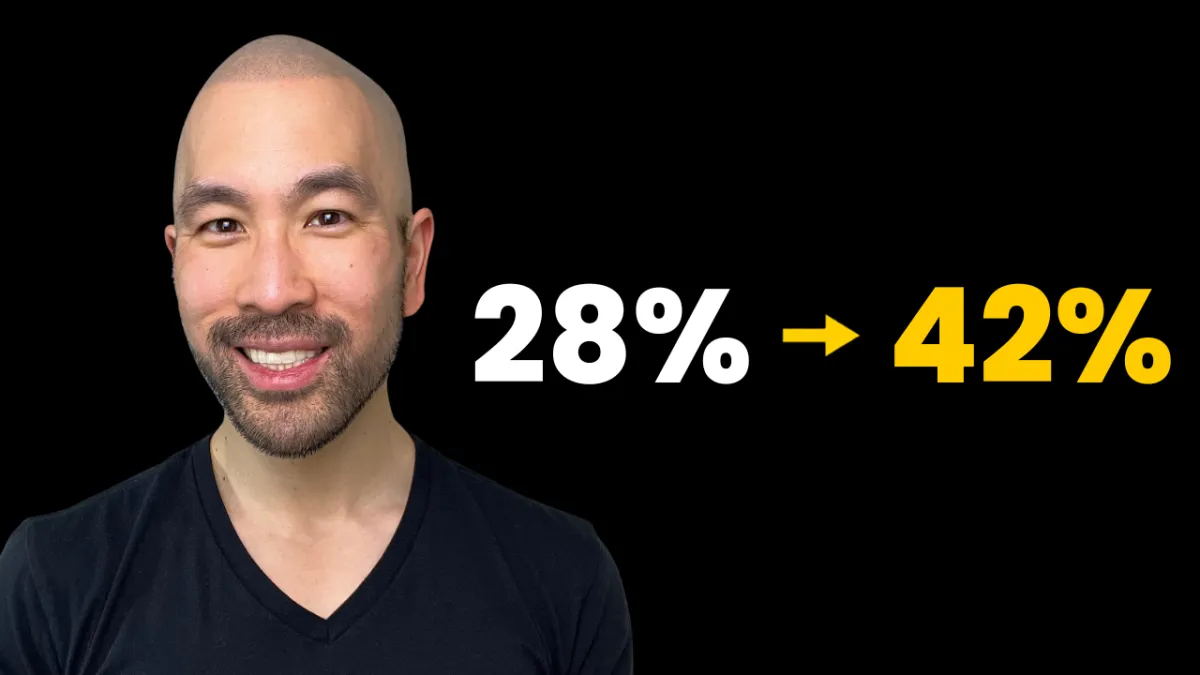
Most sales leaders read a flat win rate as a people problem. It is usually a system problem. A 15-person B2B SaaS team sat at a 28% win rate for 2 years. The reps were solid. The product had real fit. The forecast missed every quarter. The board was out of patience. 12 months later the same 15 people closed at 42% and added $1.4M in new revenue. Zero hires. Zero firings.
What does it take to raise a sales team's win rate?
A system. Find where deals leak between stages. Install structure at each leak. A repeatable discovery framework. Hard stage exit criteria. Weekly coaching on real deals. A dashboard that shows reality. This team moved from 28% to 42% in 12 months by fixing 4 structural gaps while keeping the same reps and the same product.
Why was a good team stuck at 28%?
The reps were strong. Average deal: $55K. Pipeline looked healthy on paper. Sales cycle ran 110 days. Forecast was wrong every quarter. They'd call $2.8M and close $2.1M. The VP put it plainly: the team was working, the product was working, the selling motion was broken. An audit of pipeline, calls, CRM data, and one-on-ones surfaced 5 specific leaks.
What were the 5 revenue leaks?
Qualification leak. 40% of lost deals should never have been opened. There was no checkpoint. Weak deals advanced anyway.
No consistent discovery. Different reps ran different processes. "Stage 3" meant nothing.
Coaching theater. One-on-ones were cheerleading. No structured work on live deals.
No stage exit criteria. Deals advanced on feelings. Hope is not a checkpoint.
No multi-threading. Big deals rode on one champion. One reorg killed them.
What did the team install to fix it?
4 components.
A discovery framework reverse-engineered from the top closer. Every rep ran the same structured call.
Stage exit criteria with real checkpoints. A deal only moved when evidence existed.
Weekly manager coaching on one stuck deal at a time, using the actual call recording.
A real-time dashboard that flagged deals sitting too long.
None of this replaced the team. It gave the team a system. This is the same approach behind 700+ client engagements that have generated over $950M in revenue.
If your win rate is stuck between 25% and 35%, book a free Revenue Strategy Call: venliconsulting.com/teams. We'll look at where the number still runs through you and, if we can help, show you how. Either way you'll leave with something you can use.
How fast did the numbers move?
Month 1 looked flat on paper. Inside, behavior changed. Reps ran the framework. Managers coached differently. Weak deals got killed at qualification. By month 3 the win rate moved to 32%. By month 6 it hit 36% and the cycle dropped from 110 days to 74. Reps stopped chasing deals they should never have opened. By month 12 the win rate was 42%, the cycle was 72 days, forecast accuracy was 84%, and the team had added $1.4M against the same headcount.
FAQ
How long does it take to raise a win rate?
First measurable movement usually shows by month 3. This team gained roughly 1 point per month early, then compounded as the cycle shortened. Full results landed at 12 months.
Do I need to replace underperforming reps first?
Usually no. This team kept all 15 people and added $1.4M. Most win-rate problems trace to the system the reps work inside.
What is the highest-leverage fix?
Stage exit criteria. When deals can only advance on evidence, the forecast stops lying and coaching gets specific. Cheapest change. Largest downstream effect.
Is this only for SaaS teams?
No. The same 4 components work for any B2B team with $50K+ deals and 90 to 180 day cycles. We've run it across 700+ orgs.
A revenue leak is a deal you should be winning that quietly slips. Want to see where your team's are? Book a free Revenue Strategy Call below.