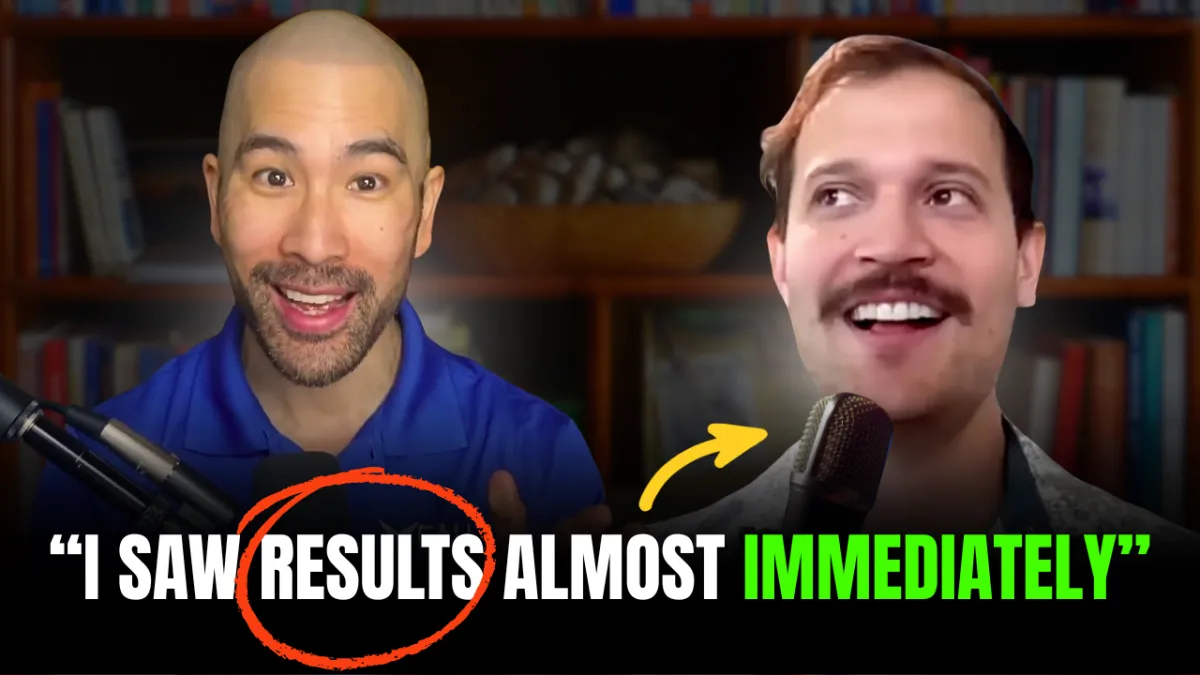
Why New AEs Take a Year to Ramp. This One Hit #1 in the US in Months.
TL;DR: Matt Tavera was promoted from SDR to account executive at Xero and knew his old habits would not carry the new role. He invested in coaching and a systems-based approach to selling. He saw results within one to two months, earned back his investment in about six months, and became the #1 AE in the United States at Xero, out of hundreds of reps, in under twelve months. The change was structure: frameworks for discovery, objection handling, follow-up, and pipeline, plus the self-awareness to diagnose his own performance.
Results at a glance
Outcome: #1 AE in the United States at Xero, out of hundreds of reps
Timeframe: under 12 months from a new AE to #1 in the country
First results: tangible within 1 to 2 months of starting
Payback: earned back the coaching investment in about 6 months
Starting point: just promoted from SDR to AE, "winging it" on old systems
Rep: Matt Tavera, account executive, Xero
A newly promoted account executive went from winging it to the #1 AE in the entire United States at his company in less than twelve months. That is exactly what happened to Matt Tavera at Xero, and the how matters more than the headline if you run a team.
Why a promotion is the most dangerous moment in a rep's career
When Matt got promoted from SDR to AE, he saw the trap most newly promoted reps fall into. They coast on the tactics that earned the promotion and assume those skills will carry the new role. "I knew I couldn't just rest on the basic systems I had before," he said. "I knew it was time to level up." The skills that make a great SDR are not the skills that make a great AE, and most reps learn that the expensive way, a year of missed quota later.
Why he almost did not invest, and what changed his mind
Matt had the same hesitation most reps have. "A lot of it was price up front. I knew it was a big investment, and there was the ROI question." What moved him was framing the cost of not investing. Another year of winging it. Missed deals. Commission left on the table. When you put the real number on inaction, the math gets clear.
What Matt changed: a repeatable system for every stage of the deal
What Matt found was structure. "I love that you're very systems focused. Everything falls into a structure," he said. That meant a framework for every situation instead of hoping each call went well: structured discovery that uncovers real pain, objection handling that addresses concerns in order, follow-up that keeps deals moving, and pipeline management that stops deals from stalling.
The deeper change was self-awareness. Matt can now diagnose his own performance. "Even on my lower days, when mindset is low or I'm not getting the deals I want, I can still fall back on: is it my prospecting? Is it my objection handling?" That diagnostic ability is what turns a good rep into a great one. Instead of getting frustrated when a deal goes wrong, he knows exactly where to look. And the system holds up under pressure. "Even with some shifts at work and personal stuff going on, I can fall back on those systems and know where I've fallen off."
What is most telling is that the #1 rep in the country still calls himself a beginner. "It's not about having more techniques and more things. It's about just going deeper."
The result: #1 AE in the US in under a year
The timeline is the proof. Matt started and saw tangible results within a month or two. He earned back his entire investment in about six months. Within twelve months, he was the #1 AE in the United States at Xero, out of hundreds of reps. "It was one of the best things I've ever done for myself professionally, and still is," he said.
What this means if you run a sales team
Matt figured this out because he invested in himself. Most newly promoted reps never get there. They coast on SDR habits, miss for a year, and either ramp slowly or wash out. Now picture Matt's path as the default for every promotion on your team, instead of a gamble each rep takes alone.
The expensive version is the one most teams run today: promote a strong SDR, hand them a quota, and hope the AE skills appear. The cheaper version is a system that installs those skills on purpose, in the first quarter, so a new AE produces instead of floundering. Matt is what that looks like when the rep funds it himself. The opportunity is to make it the standard for the whole team.
Frequently Asked Questions
How do you ramp a newly promoted AE faster?
You install the AE skill set on purpose instead of hoping it transfers from the SDR role. Matt Tavera was a brand-new AE winging it on old habits. With a systems-based approach, he saw results in one to two months and became the #1 AE in the US at Xero within a year.
Why do reps who were great SDRs struggle as AEs?
The skills are different. SDR success rewards activity and top-of-funnel work, while AE success rewards discovery, objection handling, and full-deal management. Matt knew his old systems would not carry the new role, which is exactly why he leveled up early.
How long does it take to see results from sales coaching?
It can be fast. Matt saw tangible results within one to two months and earned back his investment in about six months. The speed comes from installing repeatable frameworks, not from one-off training days.
How do you keep a rep performing through a slump or company changes?
You give them a system they can diagnose against. Matt can ask whether the problem is his prospecting or his objection handling and find the fix, even on low days or through company shifts. That self-diagnostic ability is what separates consistent performers.
Is it worth investing in coaching for individual reps?
The return shows up in ramp speed and consistency. Matt recouped his investment in roughly six months and reached #1 in the country in twelve. The same system, installed across a team, turns one self-funded standout into a repeatable standard.
Want every newly promoted AE on your team ramping like Matt instead of winging it for a year? Book a free Executive Snapshot below. We will look at your pipeline and your real call data, then show you the three best moves to get your team there.
