How Bemo Grew Their Average Deal Size From $19K to $300K+ (and Hit $16M ARR)
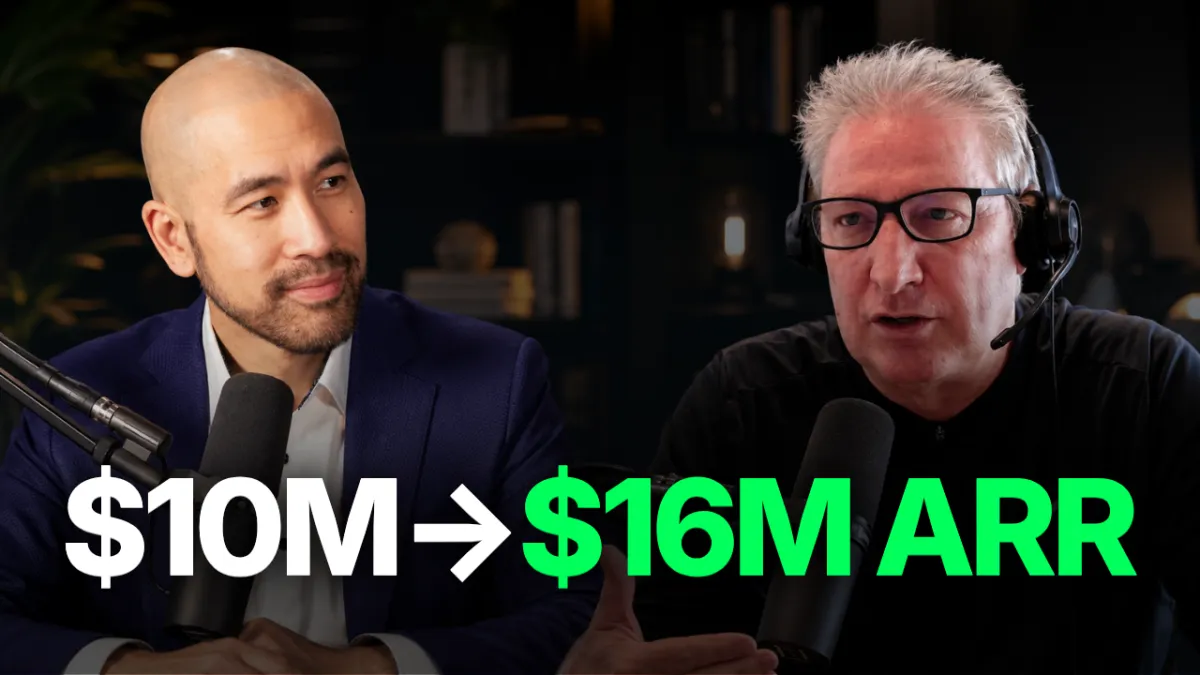
Executive Summary: Bemo, a cybersecurity and compliance firm serving US small and mid-sized businesses, grew its average deal size from $19,000 to $300,000 and its revenue from $10M to $16M ARR while increasing profitability by rebuilding its sales motion around a documented eight-phase system. The engine behind the jump: the team's win rate on large deals climbed from 5-8 percent to 20-25 percent. Same market, same core team. Along the way, they closed a $1.2M deal, the biggest in company history.
Most teams try to grow the number by doing more of what already works. More small deals, closed faster. It builds revenue, and it also caps your deal size and your margin, and it leaves your biggest opportunities on the table.
Bemo did the harder thing. The cybersecurity and compliance firm grew its average deal from $19,000 to $300,000 and its revenue from $10M to $16M ARR, without changing the size of company it sells to. The lever was win rate. On large deals, the team went from closing 5 to 8% to 20 to 25%
Key note: Bemo expanded its product into compliance around the same time, and that helped lift deal sizes. Our work was the sales operating system underneath it: a documented eight-phase process that made big deals repeatable, raised the enterprise win rate, and gave the CEO a real forecast. The product opened the door. The system closed the deals, again and again.
Results at a glance
Average deal size: $19,000 to $300,000 (about 16x)
Revenue: $10M to $16M ARR in two years (60% increase while improving profitability)
Enterprise win rate: 5-8% to 20-25% on deals north of $150K
Biggest deal in company history: $1.2M, closed in February
Speed: first enterprise win in about 90 days; whole team consistent within 6 months
New-business target beaten three times in one year: raised from $1.3M to $1.7M, then to $2.5M, at the halfway mark
Where Bemo started: great at small deals, losing the big ones
Bemo was moving upmarket. For years, a typical deal was a fast SMB sale: $10,000 to $15,000, closed in 20 to 30 days, high velocity. Now the team was chasing enterprise deals worth $150,000 to $300,000, with multiple stakeholders and three-to-six-month cycles.
The reps were still selling the big deals the way they sold the small ones. They booked the meetings. Then the enterprise deals got crushed. Out of eight to ten meetings a month, maybe one was a true enterprise deal, and it got treated like the other nine. Most leads came from a single source: Microsoft. On the surface, the win rate looked healthy.
Why the big deals kept slipping
On a raw count of deals, the win rate looked great. Segment by deal size, and the real story showed up. Bemo pulled its win rates by deal size in Gong. SMB and mid-market deals were closing at 20 to 25%. Enterprise deals, anything north of $150,000, were closing at 5 to 8%.
The small wins felt good and hid the leak. Each lost enterprise deal was the single biggest chunk of revenue in the pipeline walking out the door. A team can post strong-looking numbers and still bleed its most valuable deals. Until you segment the win rate, you never see it.
What Bemo changed: an eight-phase system and weekly deal coaching
Bemo installed a documented sales operating system: phase one through phase eight. A sales operating system is a documented set of frameworks that govern every stage of a deal, so results come from the process instead of the personality. Enterprise deals do not close like SMB deals. They need more stakeholders managed, a longer cadence, and a repeatable play at each step. So the team defined eight phases and exactly what it takes to move a deal from one to the next. Sales, marketing, and the CEO now speak the same language.
The piece the reps still talk about is the weekly coaching call. Every Wednesday, a rep brings a live deal and works it against the playbook. How to word the email. How to shift the pitch. How to handle a specific stakeholder. It is deal-specific, not a cookie-cutter course. An outside coach also gave reps a place to be honest about a deal, which surfaced the real problems faster.
What does a shared sales language do for a CEO's forecast?
It turns a forecast from a guess into a map. Before, "how is the pipeline" got a story. Now it gets a number. Leadership reviews the forecast by phase, every deal from phase three to phase eight, each with a known win probability: 35 percent here, 50 percent there, 75 percent near the finish. Bruno can look at the board and see how many deals sit in phase eight, seven, and six. Same language across the team. For a CEO, that is the difference between hoping and planning.
The phase system also shows exactly where deals stall. Bemo used that. The team was strong in phases one and two, then deals piled up in phase three, so they spent a focused stretch there, listened to calls, and fixed the gap. Then phase four cleared next. One phase at a time. The system did not just forecast the pipeline. It showed them what to repair.
How fast did the results show up?
Fast, then compounding. The first enterprise deal closed in about 90 days, roughly one enterprise sales cycle. Within six months, the whole team was closing $150,000-plus deals consistently. The enterprise win rate climbed from 5 to 8 percent to 20 to 25 percent, the same rate the team already earned on smaller deals.
The confidence followed the wins. High-velocity SMB closers can lose their nerve when they start missing bigger deals, and the self-doubt shows up on the next call. Once Bemo's reps saw the plays work, that flipped. A $250,000 deal with a three-month cycle stopped feeling intimidating, because they knew exactly how to run it.
What were the results?
Average deal size went from $19,000 to $300,000+. Revenue went from $10M to $16M ARR in two years, with drastically better margins. The enterprise win rate went from 5 to 8 percent to 20 to 25 percent. And Bemo is having its best year ever: the team's new-business target started the year at $1.3M, got beaten by February, was raised to $1.7M, got beaten again, and sits at $2.5M trending to do $5M+ in new business. That’s 300%+ from the original target.
The clearest proof the ceiling moved: this February, the team closed a $1.2M deal, the biggest in company history. The system keeps compounding, too. "Now we have a machine," Bruno says.
One detail a skeptic will appreciate. Bemo did not win bigger deals by chasing bigger logos. It still sells to companies from ten to a thousand people, the same market as before. The deal size grew because the offer and the system grew.
Where Bemo is now, and what a sales leader should take from it
Bemo did not grow by selling harder. It grew by rebuilding the system underneath the sale. If your team is great at small deals and keeps losing the big ones, more activity will not fix it. A better system will.
Bemo proved the pattern. Segment your win rate by deal size and find the real leak. Define every phase. Give the whole team one language. Coach live deals every week. Fix the pipeline one stage at a time. Brandon put it simply for any leader on the fence: your people are your biggest spend, so make them incrementally better before you buy another tool. Bruno's version is shorter. He would do it again.
Frequently Asked Questions
How do you increase your average deal size?
Raise the value of the offer and fix the win rate on your biggest deals. Bemo grew average deal size from $19,000 to $300,000 by moving into compliance and installing an eight-phase sales system that lifted its enterprise win rate from 5-8% to 20-25%.
How do you increase win rates on large enterprise deals?
Coach the specific skills big deals need, and track win rate by deal size so you can see the leak. Bemo segmented its win rates in Gong, found enterprise deals closing at 5 to 8 percent, and raised them to 20 to 25 percent with a phased sales system and weekly live-deal coaching.
What is a sales operating system?
A documented set of frameworks for every stage of a deal, so results come from the process instead of the rep's personality. Bemo's runs from phase one to phase eight, with shared definitions across sales, marketing, and the CEO.
How long before a sales team starts closing bigger deals?
Sooner than most leaders expect. At Bemo, the first enterprise deal closed in about 90 days, roughly one enterprise sales cycle, and the whole team was closing $150K-plus deals consistently within six months.
How do you improve sales forecast accuracy?
Give every deal a defined stage with a known win probability, and use the same definitions across the team. Bemo forecasts by phase three through eight, at 35%, 50%, and 75% confidence, so leadership plans on numbers instead of stories.
Want results like Bemo's, bigger deals and a higher win rate from the team you already have? Book a free Executive Snapshot below. We will look at your data, then show you the three best moves to grow revenue.



Mail
Facebook
LinkedIn
X
Pinterest
Snapchat
Reddit